
Is there a Secret to Living Longer?
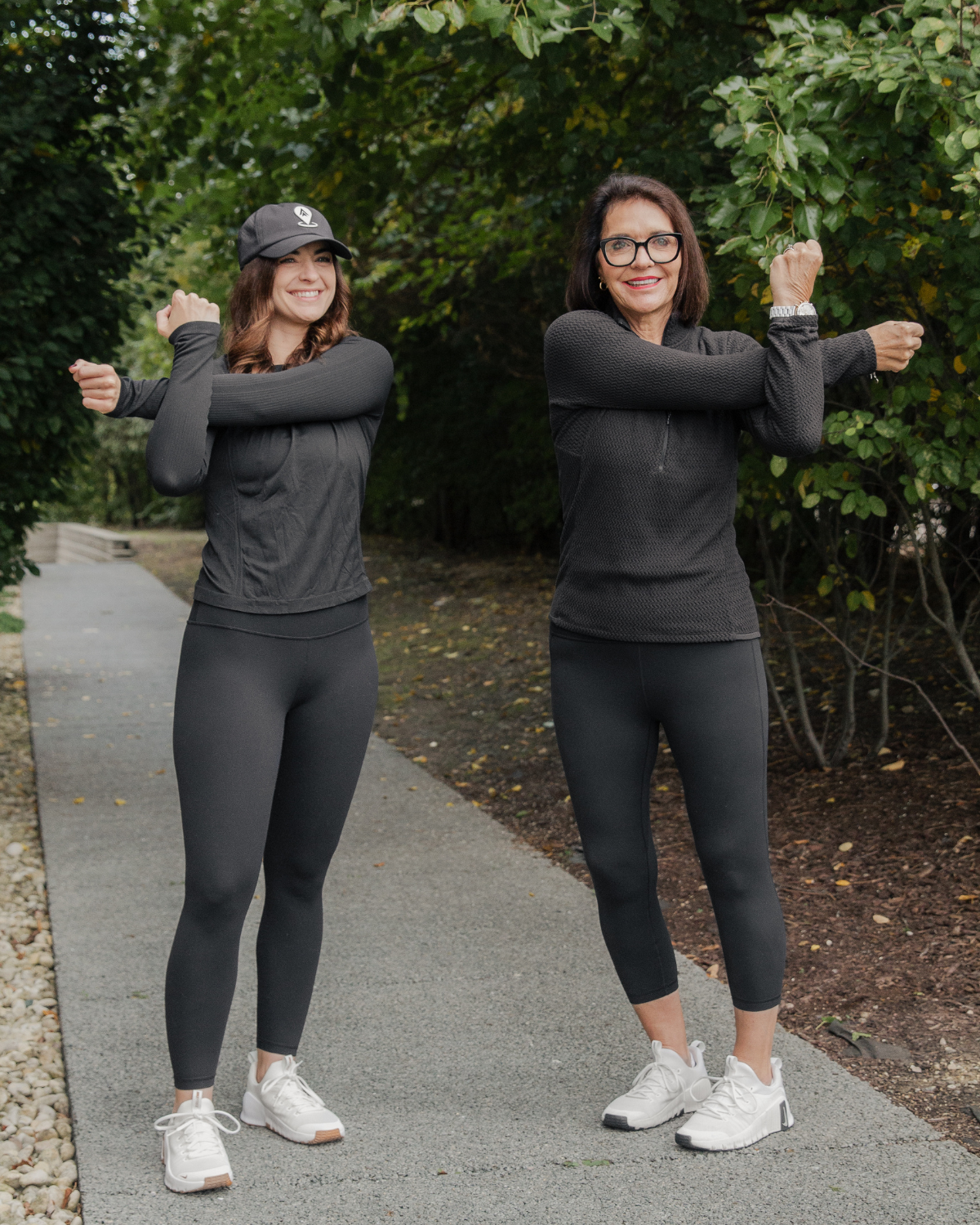
Why Movement Is the Closest Thing to a Longevity Secret
If someone asked you what habits help people live longer, you might think of eating vegetables, drinking water, or getting enough sleep. While all of those are important, one habit consistently rises to the top of the list when researchers study longevity: regular physical activity.
The good news is that living longer doesn't require extreme workouts or spending hours in the gym. In fact, some of the greatest health benefits come from simple, consistent movement.
Research shows that adults who accumulate about 150 minutes of moderate activity each week significantly reduce their risk of chronic disease and premature death. That's just 30 minutes a day, five days a week. Even better, those minutes don't have to happen all at once. A walk after dinner, a quick workout before work, a bike ride with your family, or a few short movement breaks throughout the day all count (American Heart Association).
The Power of Walking for Long-Term Health
One of the most powerful forms of exercise for longevity is also one of the simplest: walking.
Walking improves cardiovascular health, supports a healthy weight, helps regulate blood sugar, reduces stress, and boosts mood. It requires no special equipment, no gym membership, and very little planning. In a world that often tells us fitness needs to be complicated, walking reminds us that sometimes the simplest habits are the most effective.
Why Strength Training Matters as We Age
That said, longevity isn't just about moving more. It's also about maintaining strength as we age.
After age 30, we naturally begin to lose muscle mass. Over time, this can affect balance, mobility, bone health, and our ability to perform everyday tasks. Strength training helps slow that process. Whether it's lifting weights, using resistance bands, bodyweight exercises, or attending a fitness class, building and maintaining muscle is one of the best investments you can make in your future self.
Research published in the British Journal of Sports Medicine found that individuals who met recommended physical activity guidelines had a significantly lower risk of all-cause mortality compared to those who were inactive (British Journal of Sports Medicine, 2023). The message is clear: movement matters.
The Best Exercise Is the One You'll Actually Do
Perhaps the most encouraging part of all of this is that the "best" exercise isn't necessarily the hardest one. The best exercise is the one you'll do consistently.
You don't need a perfect workout plan. You don't need to train for a marathon. You don't need to spend every day in the gym.
You simply need to move your body regularly.
At @Well, we believe wellness doesn't have to be complicated. The small things really do matter. A daily walk. A strength workout a few times a week. Choosing movement instead of staying sedentary. These habits may seem insignificant in the moment, but over months and years, they compound into something incredibly powerful.
So if you've been wondering where to start, start small.
Take the walk.
Do the workout.
Stretch while dinner cooks.
Play outside with your kids.
Dance in the kitchen.
Move your body because it was designed to move.
Your future self will thank you for it.
This Week’s Challenge
Schedule 30 minutes of intentional movement into your calendar at least five days this week. Don’t have a plan? Try out the Anywhere Fitness app for quick home or gym pre-programmed workouts, so you don’t have to think about what to do; you just show up. It doesn't need to be perfect, and it doesn't need to be intense. Just move. Consistency will always beat perfection.
XO,
Coach Caroline
Up Next
Here are a few more posts we think you’ll love:
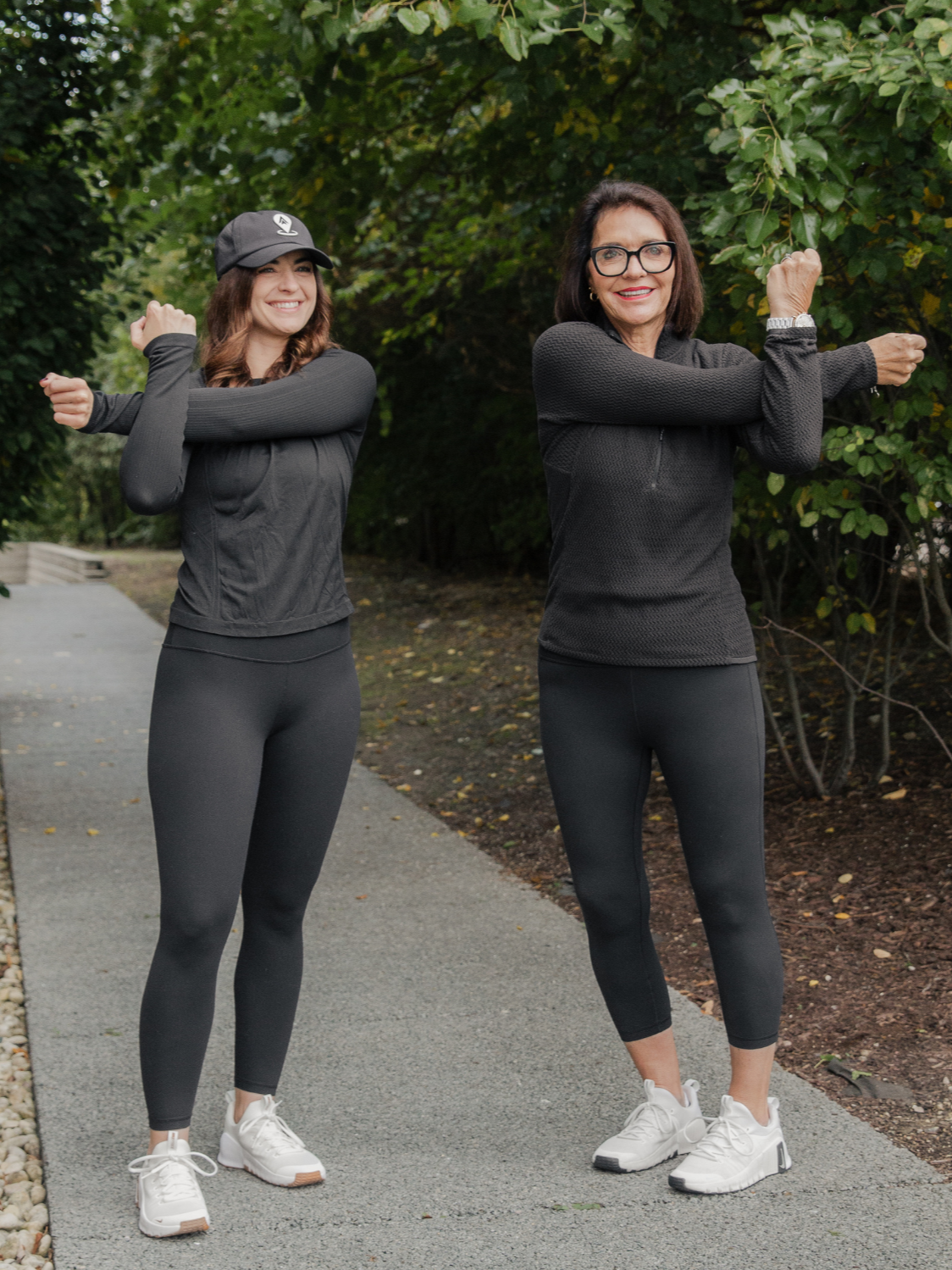
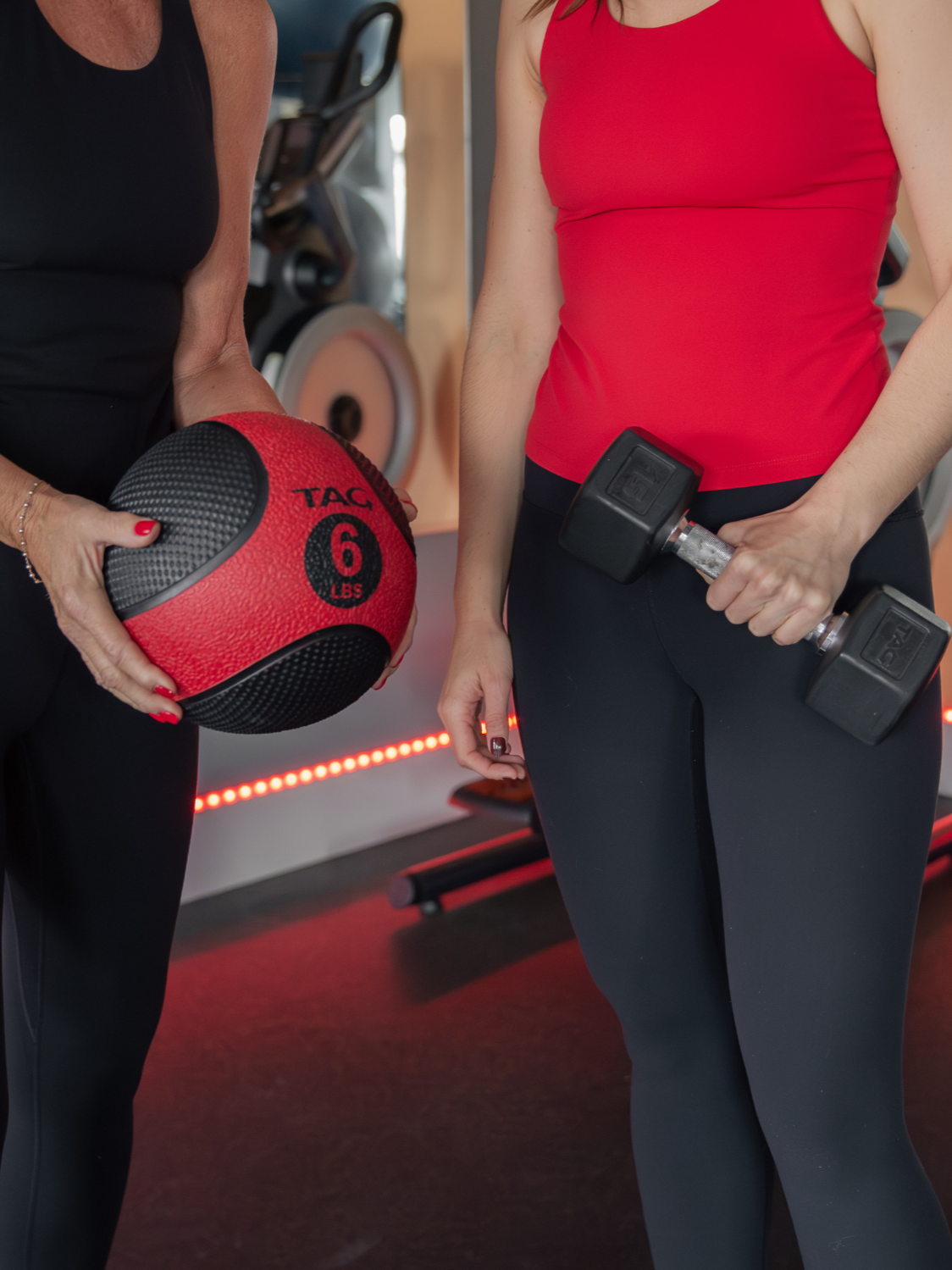
What if staying active this summer was simpler than you think? Learn the mindset shift that helps you move more consistently, enjoy exercise, and build healthy habits without the pressure of perfect workouts.