
The Fitness Trend Cycle: Why What’s “Best” Keeps Changing
If you’ve been around the wellness space long enough, you’ve probably noticed something interesting.
The “best” way to exercise seems to change every decade.
In the 1990s and early 2000s, fitness culture was dominated by cardio. Gyms were full of treadmills, ellipticals, and step classes. Long sessions of steady-state cardio were often seen as the most effective way to stay lean.
Nutrition advice followed a similar theme. Low-fat and low-calorie diets were heavily promoted, and foods were often marketed based on how little fat they contained.
Fast forward to today, and the conversation has shifted dramatically.
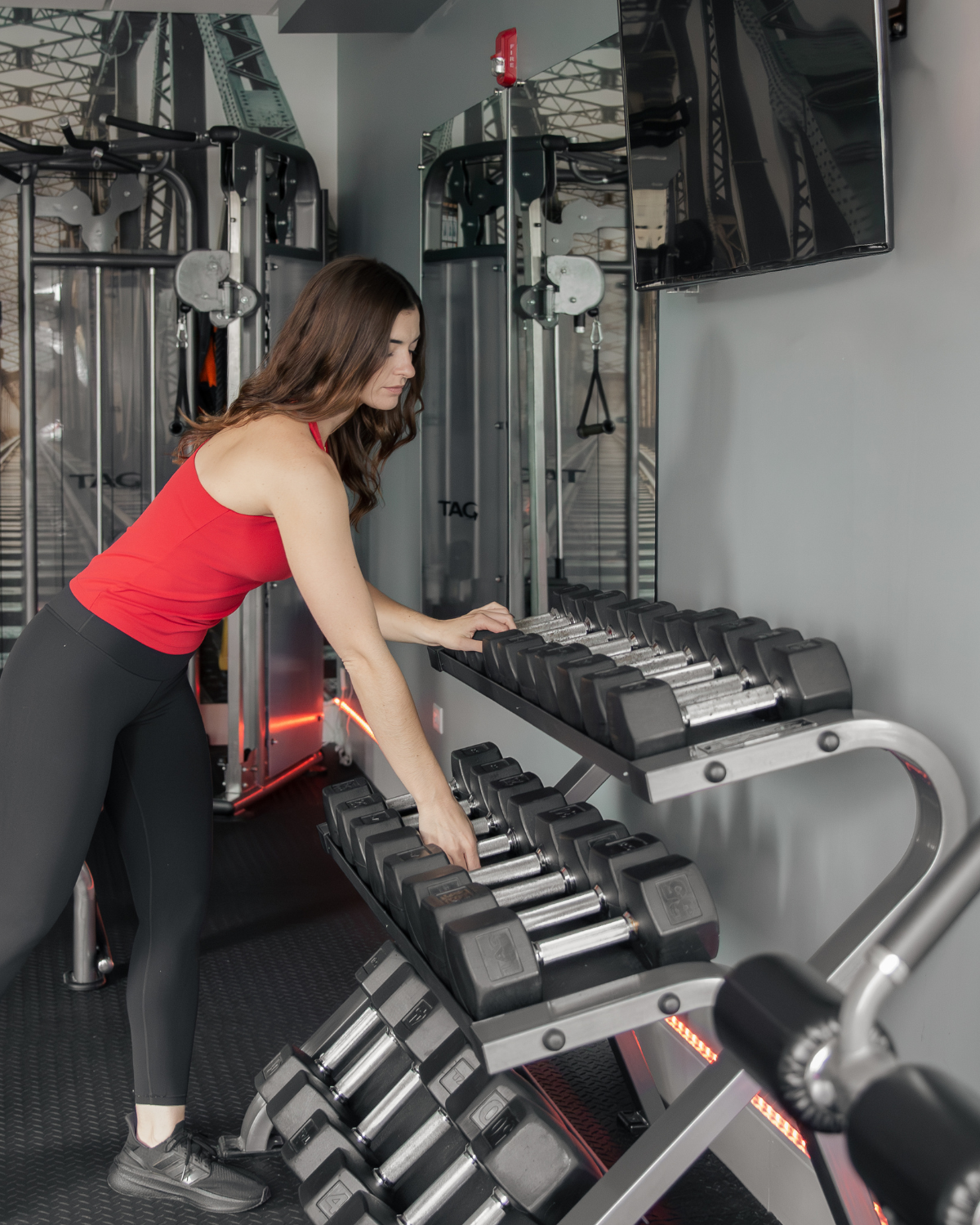
Now the focus is largely on strength training and building muscle. High-protein diets are widely recommended, and many people are prioritizing resistance training over hours of cardio.
At the same time, Pilates has experienced a major resurgence in popularity, with reformer studios opening in cities across the country and social media highlighting its benefits for posture, core strength, and low-impact training.
Looking at these shifts raises an interesting question.
If what’s considered “best” keeps changing, what should we actually focus on?
What Has Changed (and What Hasn’t)
To be fair, some of these shifts are the result of better science.
Research over the past few decades has shown that strength training plays a critical role in maintaining muscle mass, supporting bone health, improving metabolic function, and promoting longevity.
Because of this, many experts now recommend that resistance training be a foundational part of a fitness routine.
But while our understanding has improved, the constant cycle of trends can still make wellness feel more complicated than it needs to be.
Each new wave often arrives with the message that it is the right way to train.
The reality is that the human body benefits from a wide variety of movement.
Strength training builds muscle and resilience.
Pilates improves stability and control.
Cardio supports heart health and endurance.
Walking improves overall health and recovery.
None of these forms of movement exist in isolation. They each contribute something valuable.
Why Trends Can Be Misleading
Fitness trends tend to highlight one piece of the puzzle and present it as the entire solution.
But long-term health rarely comes from chasing the newest method.
Instead, it comes from consistently moving your body in ways that support strength, mobility, and endurance over time.
The routine that works best is usually the one that is sustainable.
The one that fits into your life.
The one that makes you feel energized rather than overwhelmed.
A Simpler Approach to Movement
While fitness trends will continue to evolve, the core principles of health remain relatively simple.
Move your body regularly.
Build and maintain strength.
Stay active throughout your day.
Find forms of movement you genuinely enjoy.
Strength training may be a cornerstone of modern fitness recommendations, but it doesn’t have to replace every other type of exercise.
Walking, Pilates, yoga, recreational sports, and other forms of movement all play a role in supporting a well-rounded, healthy lifestyle.
Instead of getting stuck on the trend of the moment, it may be more helpful to focus on something much simpler.
Keep moving.
Because the best routine isn’t necessarily the one that’s most popular.
It’s the one that keeps you coming back day after day, year after year.
XO,
Coach Caroline
Up Next
Here are a few more posts we think you’ll love:
What if staying active this summer was simpler than you think? Learn the mindset shift that helps you move more consistently, enjoy exercise, and build healthy habits without the pressure of perfect workouts.