
The Hidden Cost of Constant Busyness
What’s All The Rush?
This time of year is often referred to as “Maycember” - that chaotic stretch that can feel as stressful as the December holiday season. Packed schedules and life transitions can create a sense of overwhelm, and women especially find themselves rushing to get it all done and make life pleasant for their families.
Why Women Tend to Rush
According to internationally acclaimed nutritional biochemist and author of the Rushing Women’s Syndrome (2011), Libby Weaver, through her research, has found that women often “rush” not simply because they have too much to do, but because of a combination of biological stress responses, social conditioning, and emotional patterns. Rushing becomes both a behavioral habit and a physiological state where the nervous system becomes accustomed to stress hormones like adrenaline. Let’s take a closer look at the root causes according to Weaver.
Biological
Adrenaline Dependence
Weaver argues that some people become highly accustomed to the biochemical “buzz” of stress from adrenaline. The body adapts to functioning on elevated stress hormones caused by deadlines, multitasking, urgency, and constant stimulation.
Disconnection from Body Signals
Weaver says women often override natural physiologic cues such as fatigue, hunger, and the need for rest. Instead of slowing down, they push harder with caffeine, sugar, intense exercise, or mental determination.
Social
Cultural Expectations
There are modern societal pressures on women to simultaneously excel at their career, parenting, relationships, appearance, fitness, and emotional caregiving. Some women internalize unrealistic expectations to “do it all,” causing emotional and physiologic stress.
Identity Tied to Productivity
Some women may unconsciously feel safer, more valuable, or more in control when constantly busy. Quietness or stillness can bring up uncomfortable emotions that busyness temporarily suppresses.
Emotional
Fear and Perfectionism
Fear of failure, fear of not being enough, perfectionism, and people-pleasing are all underlying beliefs and emotions that can cause women to overcommit and overschedule themselves.
Internal Pressure
Many women feel underlying internal pressure to demonstrate what I call the 4 P’s:
Perform - demonstrate achievement
Provide - care for everyone
Please - avoid disappointing people
Produce - appear capable and productive
This can create a belief that self-worth comes from constant doing.
Impact of Rushing On Our Health and Wellness
Chronic urgency and nervous-system overload can eventually affect:
mood
sleep
hormones
digestion
metabolism
relationships
joy and presence
Take a moment to reflect on your current state of health and overall wellness. Are you struggling in any one of these aspects? Then examine your schedule and ask yourself, does “rushing woman” describe you? If so, it’s important to press pause and examine why you are doing all that you are doing. Is this a short season in Maycember, or has this become your “normal”, your everyday way of life?
Reversing the Impact of Rushing
Creating quiet in your schedule is easy to say, yet sometimes much harder to do. While it is a practical approach, learning to calm the nervous system and change internal beliefs that drive chronic urgency are critical to sustaining wellness. Weaver encourages evidence-based stress reduction principles focused on both physiology and mindset.
Create Pauses
Try intentionally slowing small moments throughout your day, such as:
eating without multitasking
driving more calmly
arriving early instead of rushing
taking a few slow breaths before responding
building transition time between activities
Reduce adrenaline dependence
Avoid behaviors that keep the stress-response activated:
excessive caffeine
overtraining/high-intensity exercise every day
constant phone stimulation
overscheduling
skipping meals
Learn to notice body signals
Become aware of how your body may be signaling stress:
clenched jaw
shallow breathing
tight shoulders
racing thoughts
eating too fast
inability to relax
Reevaluate beliefs about self-worth and acceptance
Constant busyness is often socially rewarded, and productivity can become an identity. It is important to question internal narratives, such as:
“I must do everything.”
“Rest is unproductive and lazy.”
“My value comes from achievement.”
“I can’t disappoint anyone.”
Setting boundaries and tolerating the discomfort of saying “no” will enhance resilience and improve wellness.
Wellness Made Simple During Busy Seasons
At @Well, our approach to wellness aligns with Weaver’s suggestions for increasing the parasympathetic (“rest-and-digest”) nervous system activity and reducing the chronic state of sympathetic nervous system (“fight or flight”) activity caused by rushing.
Fuel Your Body
As a nutritionist, Weaver links rushing with unstable blood sugar and stress hormones and suggests eating habits to stabilize stress physiology. We agree and commonly suggest fueling using the same approach:
adequate protein
reduce processed foods and excess sugar
mineral-rich whole foods
moderate alcohol and caffeine
avoid skipping meals
Move with Intention
Simple daily movement calms the stress response and optimizes fitness.
Daily gentle movement, like walking or stretching
Moderate functional movement like resistance training, or carrying groceries and lifting babies and toddlers!
Regular movement balanced with adequate hydration (half your body weight in ounces) and restorative sleep (7-8 hours).
Feed Your Soul
Like Weaver, we encourage prioritizing restorative practices that support spiritual wellness:
walking in nature
prayer or meditation
journaling
quiet time
slower breathing
time away from devices
meaningful connection with others
As you approach Maycember, pause to consider if this is a moment in time or a lifestyle pattern. Wherever you find yourself, we are here to walk beside you.
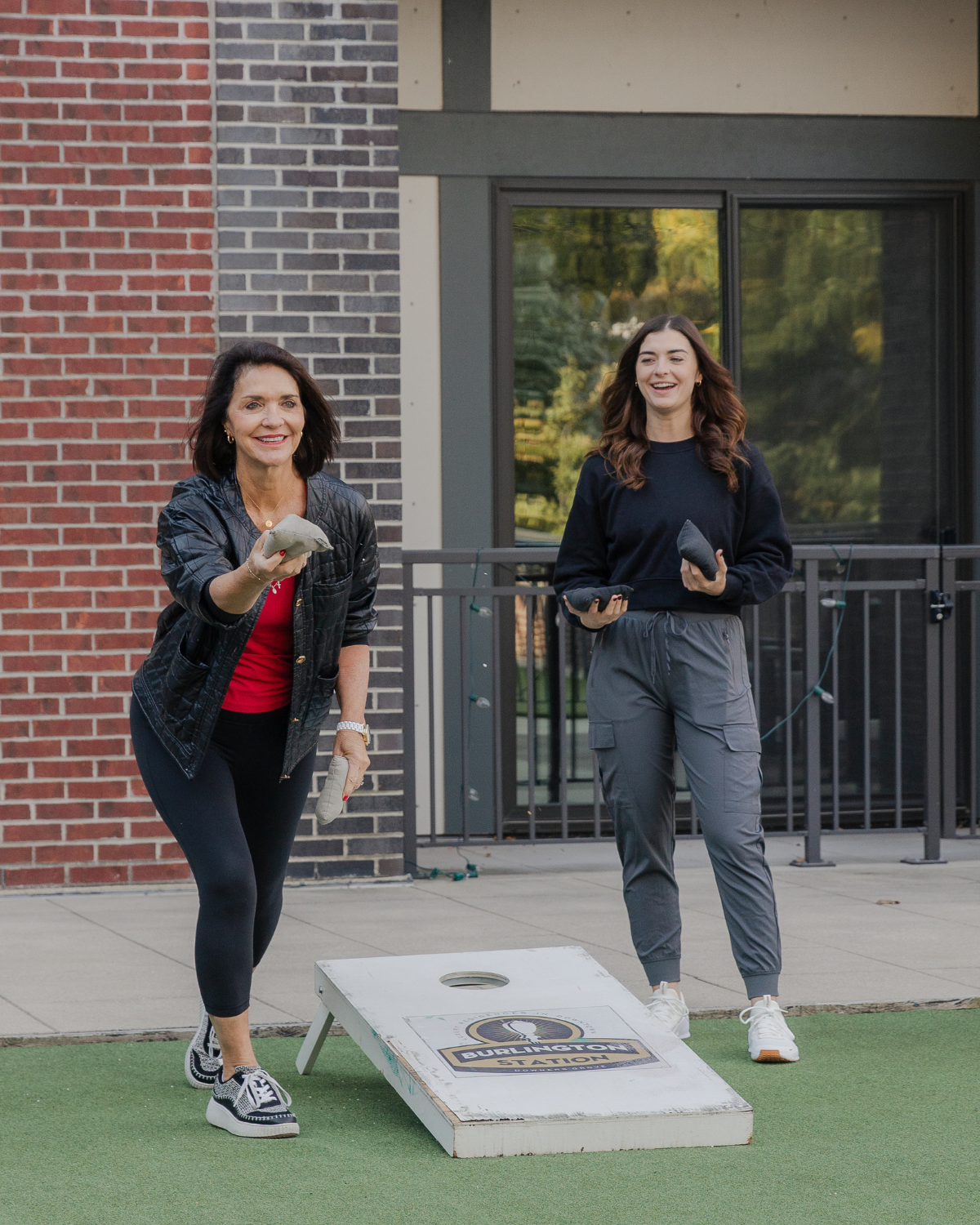
Wishing you a happy, healthy Memorial Day weekend 🇺🇸 Break out the cornhole!
Be Well ❤️
Kelly
Up Next
Here are a few more posts we think you’ll love:


What if you approached your life the way you would your home—keeping what you love, letting go of what no longer fits, and making room to breathe? Inspired by the principles of The Home Edit, Kelly shares 10 questions to help you thoughtfully edit your time, energy, commitments, and emotional space.